
Sustainability
Sustainability at Shawgrass means smarter materials and efficient production methods that reduce waste, lower maintenance costs, and keep your artificial turf performing longer.
Water Conservation
Artificial turf helps cut watering costs and keeps landscapes looking consistent through dry seasons. A simple way to save money while reducing routine upkeep.
Reduced Carbon Footprint
Lower resource use and fewer gas-powered tools help reduce long-term emissions. A practical choice for homeowners and businesses focused on efficiency.
Easy to Maintain
Low-maintenance turf removes the need for mowing, edging, and fertilizing. It keeps outdoor spaces neat with far less effort and fewer ongoing expenses.
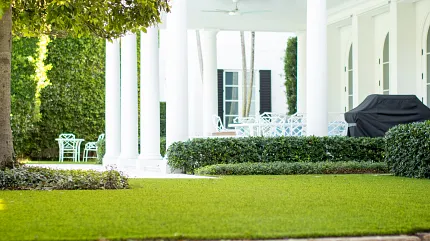
Life Cycle Cost Analysis
Smart turf planning helps reduce long-term expenses by lowering water use, maintenance needs, and seasonal upkeep. It supports better budgeting while keeping outdoor spaces beautiful.
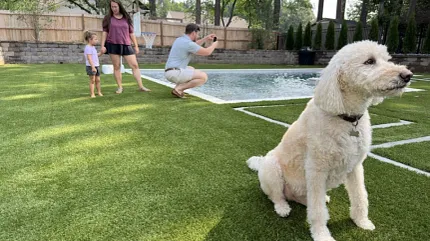
Care + Maintenance
Routine upkeep is simple and quick. Light cleaning helps manage debris and everyday use, keeping turf fresh throughout the year without the ongoing demands of natural grass.
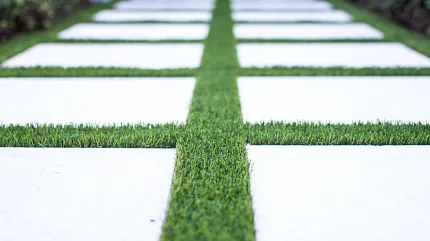
Tech + Innovations
Advanced turf technology supports better comfort, durability, and year-round performance. Cooling features, modern materials, and tested systems help create dependable outdoor spaces.
Sustainability FAQ
Artificial turf offers several environmental benefits, including water conservation, reduced use of pesticides and fertilizers, and lower emissions from lawn maintenance equipment.
Artificial turf does not require irrigation, which can save millions of gallons of water annually for a single field or large installation. This is particularly beneficial in drought-prone regions or areas with strict water usage regulations.
Modern artificial turf systems are typically made from polyethylene or polypropylene yarns with a backing layer and infill. Many of these materials are recyclable, and some systems are designed for full circularity. Ask your turf provider about take-back or recycling programs and turf solutions that contain recycled content.
While there is an initial carbon cost associated with manufacturing and installation, turf does not require mowing, fertilizing or watering – reducing long-term environmental impact.
Yes. While artificial turf doesn’t directly earn LEED points, it can contribute to LEED credits through water conservation, reduced heat island effect (when using cooling tech), and use of recycled or regional materials. Pairing turf with permeable base systems can also support stormwater management goals.
Shaw does not use PFAS based materials to produce its artificial turf products. Shaw restricts its turf suppliers from using any intentionally added PFAS chemicals in the materials we purchase and performs testing to confirm their absence.
Where to Buy
Connect with a local Shawgrass expert to explore artificial lawn options for your home or business. Discover synthetic turf that fits your space and lifestyle.
Become a Dealer
Partner with Shawgrass to bring premium residential and commercial turf solutions to your customers. Join a trusted network built on quality and support.